The following article was originally written for The Cattail, the official newsletter of NatureCK (formerly The Sydenham Field Naturalists) an organization that has been protecting habitats, restoring ecosystems, and inspiring people to connect with nature across Chatham-Kent since 1985. NatureCK hosts seasonal walks, workshops and presentations for people of all ages, helping the community learn about local ecosystems, wildlife, and conservation practices. Check out their website at natureck.ca.
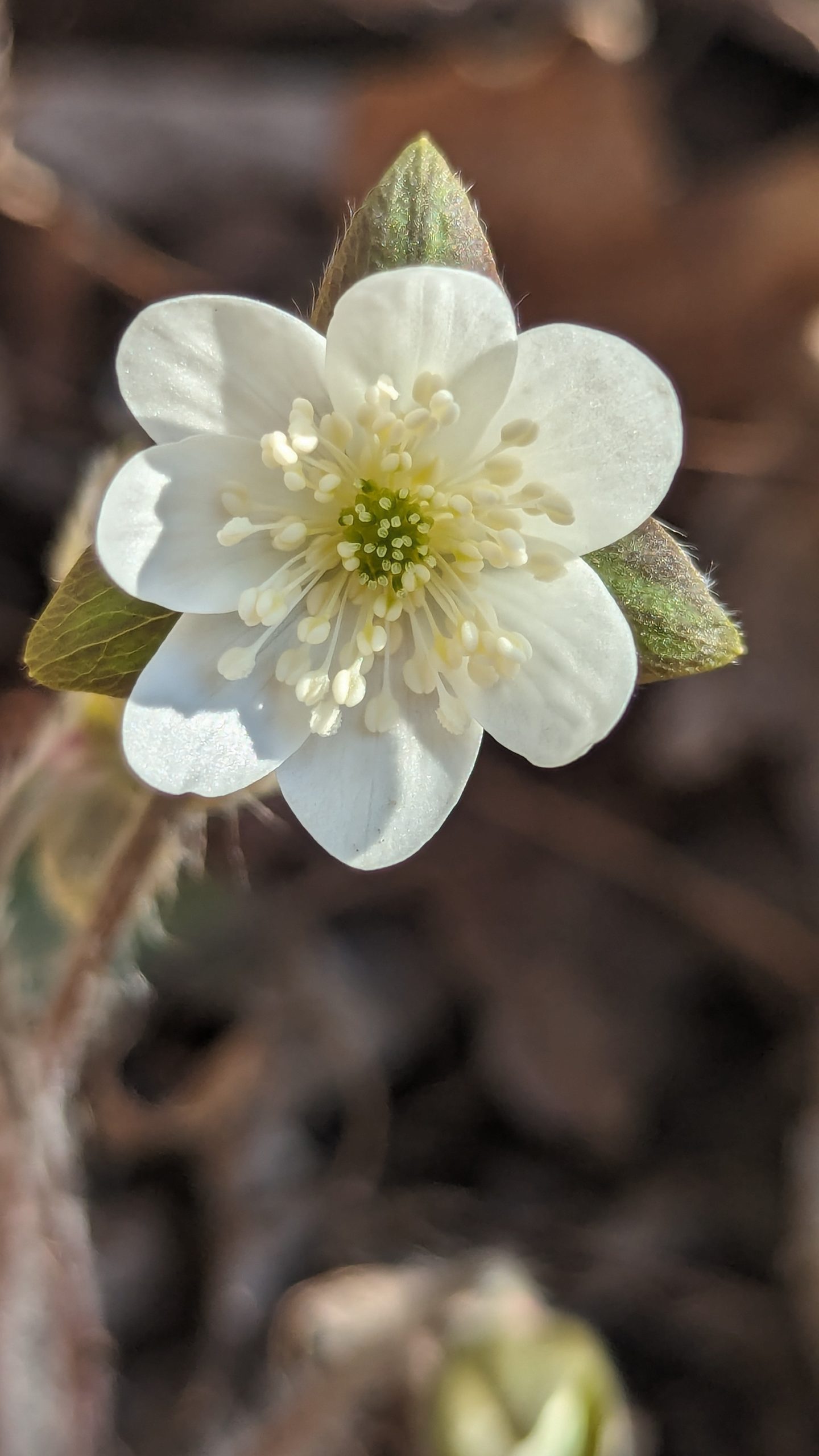
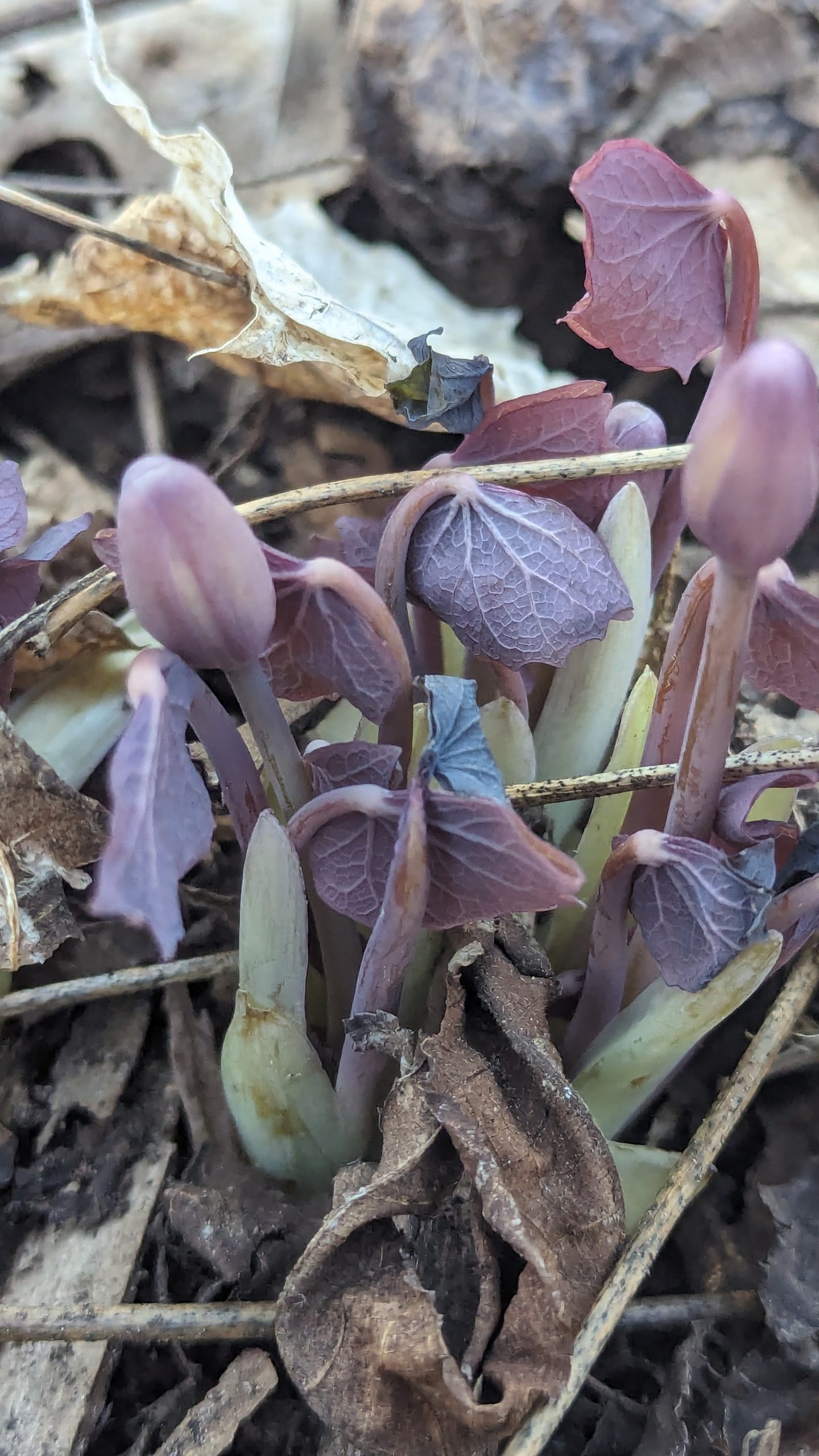
In the spring, sometimes even before the snow is gone, Mother Nature awakens in our native plant gardens with spring ephemerals. Those elusive blooms that often disappear after just a few short weeks bring hope to gardeners while bringing early nectar and pollen to insects. Summer soon rolls in with hot, humid weather and an abundance of flowers, shrubs and lots of new growth. Autumn, for many of us, signals the end of gardening for the year as leaves turn from green to gold and asters and goldenrods take over the show.
This is a time of year when traditional gardeners like to clean up their flower beds and “put their gardens to sleep,” and many of us, when we first get into native plant gardening, want to do the same. But here’s why we shouldn’t.
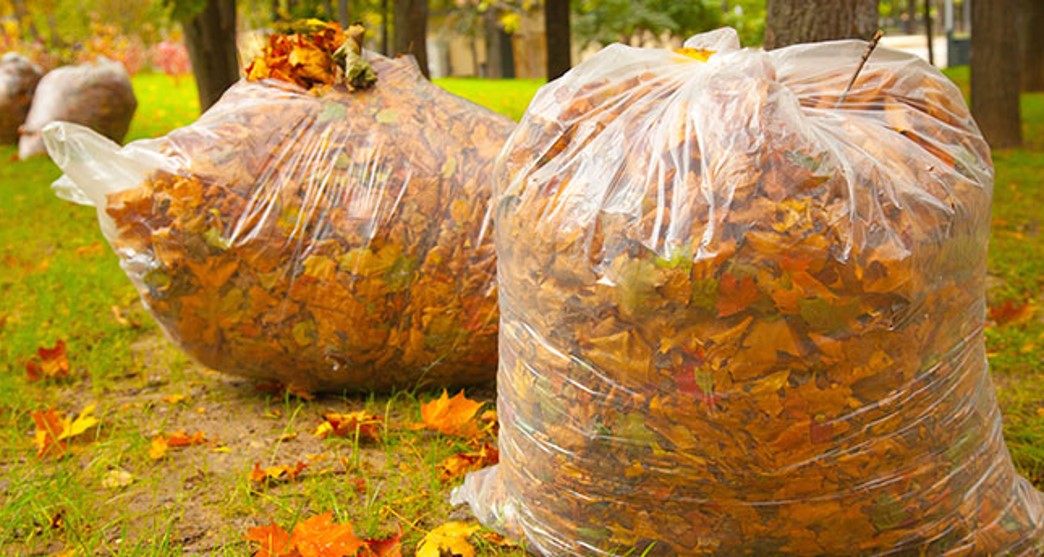
In nature, fallen leaves and dead and dried-up plant stems become the winter homes for a host of insects – insects that will pollinate flowers and break down old plant materials in the coming year. If we remove these by mulching and/or bagging, we not only remove their winter homes, but we risk killing insects that may have already settled in for the winter.
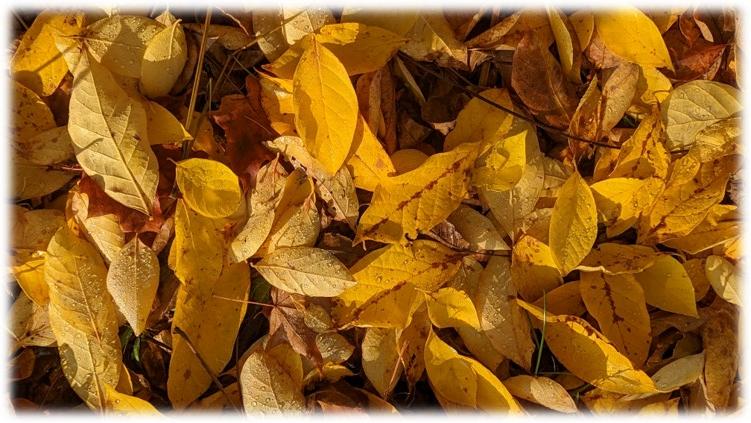
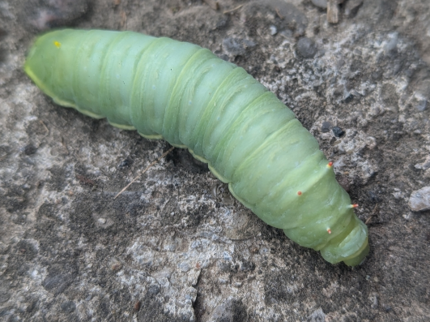
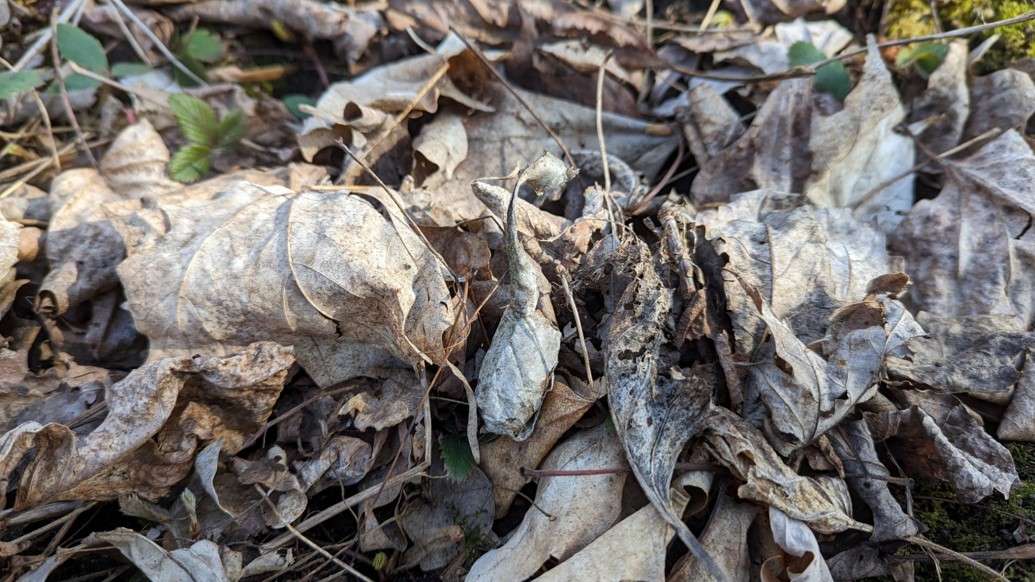
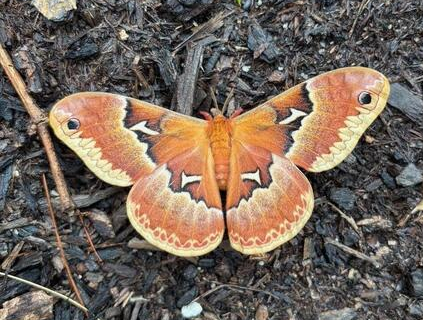
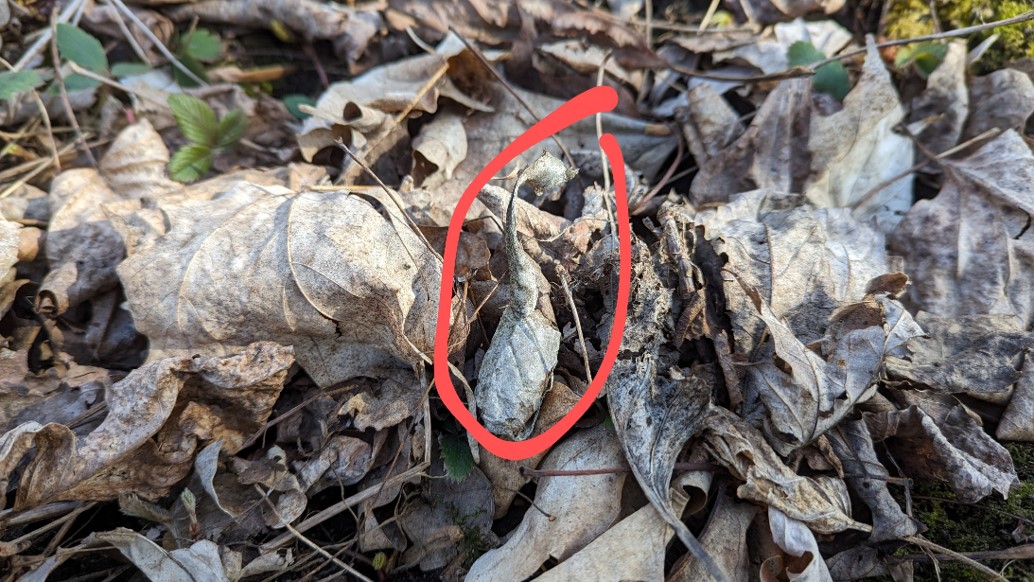
Did you know that, of the 127 butterflies found in Ontario, 110 overwinter here? Some spend their winters as an egg, some as a chrysalis, a few as adults, but over half of them overwinter as caterpillars. These caterpillars nestle into cracks in tree bark or burrow into leaves for warmth and to hide from predators. Some moths and butterflies actually wrap their chrysalises in leaves to add to the camouflage. In 2025, a study by Ferlauto and Burghardt found that raking leaves reduced moth and butterfly emergence by 45% and cut species richness by 40%.
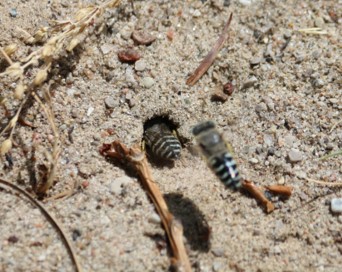
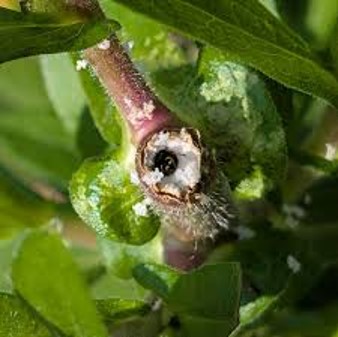
Butterflies and moths aren’t the only insects affected by fall garden cleanup. While about 70% of our native bees nest in the ground (where a covering of leaves helps to protect them from fluctuating winter temperatures), the other 30% use hollow stems, hibernating inside your dead flower stalks all winter. If you want to cut stems, wait till spring, but leave them 18-24” tall and let them break down naturally over time. This is because all insects do not emerge at the same time. In the same study by Ferlauto and Burghardt, they showed that insects continue to emerge in the spring well past the 10°C soil temperature often cited as the point when you can finally clean up your gardens.
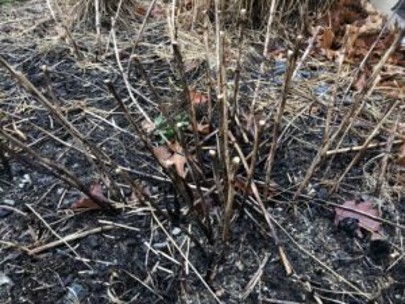
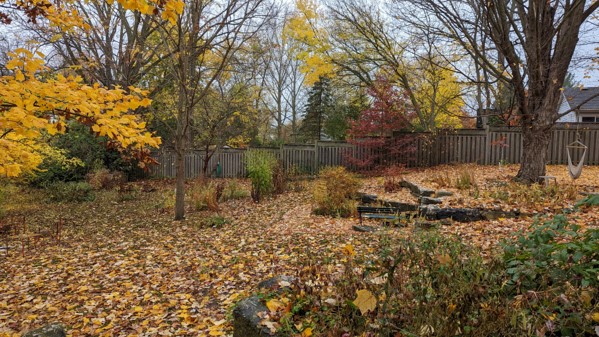
Don’t worry too much about your gardens looking “messy”. For starters, it won’t take long before new vegetation hides the old stalks. If you have a lot of large trees (as I do) and you’re worried about piles of leaves killing your lawn, then simply rake the thicker patches into your flower beds as mulch. A thin layer of leaves on the lawn will be decomposed fairly quickly come spring.
Finally, instead of thinking that your garden looks messy, or that the neighbours may disapprove, develop the mindset that the new look is habitat creation and look forward to the bounty of bees, butterflies and birds that your yard will host going forward.